
Moving a couch by yourself can feel tough, whether you’re just changing the setup in your living room or getting ready for moving day. A couch is heavy and awkward to handle alone but don’t stress—I’ll walk you through it step by step.
If you’re wondering how to move a couch by yourself, here’s a clear and simple explanation to help you get it done.
How Difficult Is It?
- With help – Not too hard
- Alone – Quite difficult
How Long Will It Take?
Usually around 1 to 2 hours, depending on the size of the couch and where you’re moving it.
Tools & Materials You’ll Need
To move a couch safely and without trouble, make sure you have these items ready:
- Measuring tape – Use this to measure your couch and the doorways so you know it will fit through.
- Furniture sliders or moving blankets – These help protect your floors and make it easier to slide the couch.
- Packing materials – Plastic wrap, bubble wrap or furniture pads can protect the couch from scratches or damage.
- A dolly or hand truck – This helps you lift and move the couch without putting too much strain on your body.
It’s always better to ask a friend or family member to help. Moving a couch alone isn’t just hard—it can also be unsafe. If you don’t have anyone to assist you, hiring professional movers can make the process much easier and safer.
How to Move a Couch in Six Simple Steps
Moving a couch can be much easier if you take it step by step. Just follow these simple instructions:
1. Measure First
Before you move anything, measure your couch to make sure it can fit through doorways, hallways or any tight corners. Check the width, height and length of the couch, then compare those numbers with the spaces it needs to pass through. This simple step can save you from getting stuck in the middle of the move.
2. Take It Apart
If your couch has parts that can come off, like cushions, recliner sections or storage pieces, remove them before you start moving. Many bigger couches are made so they can be taken apart which makes them lighter and easier to carry. Taking off these pieces will help reduce the weight and make the couch less bulky.
3. Wrap the Couch
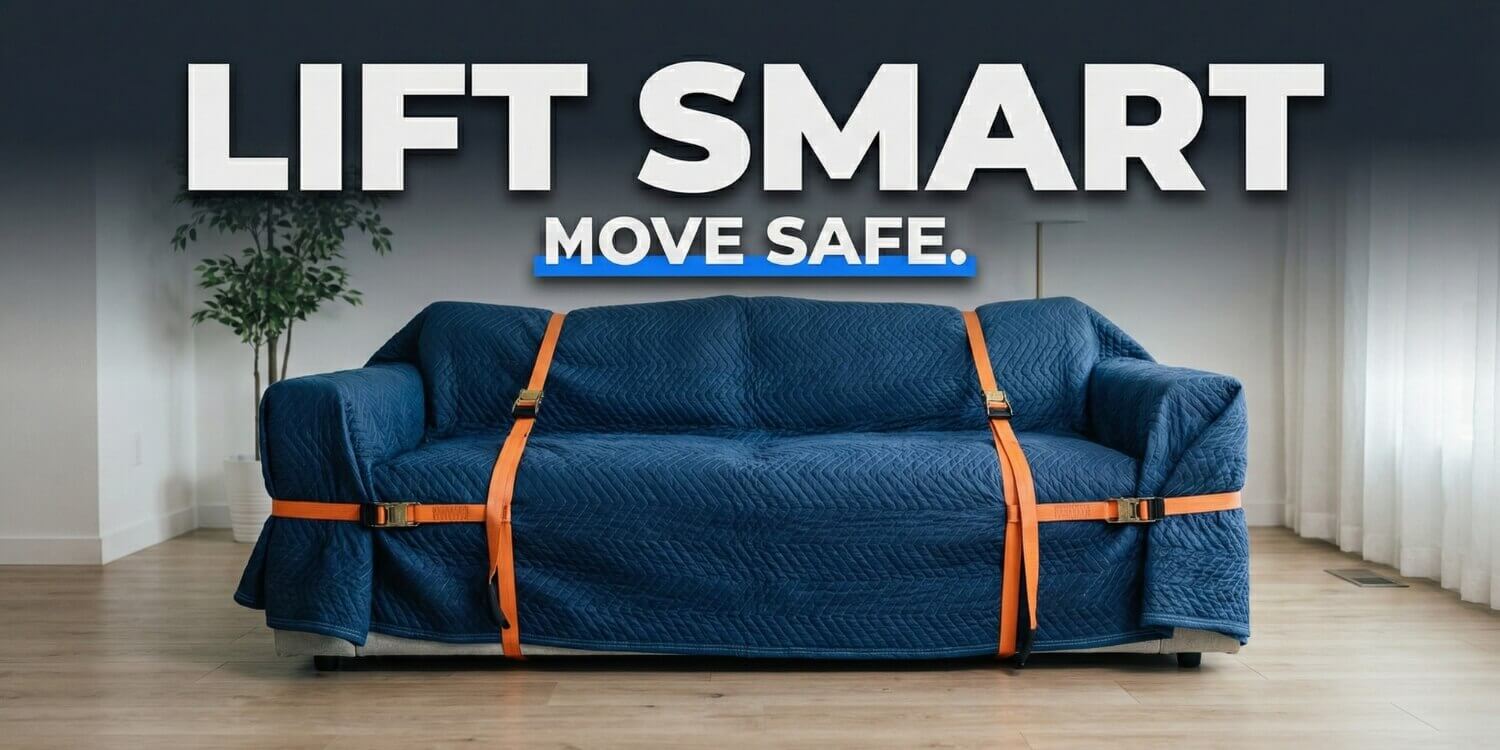
Use plastic wrap, furniture pads or even a thick cloth to cover the couch. This will protect it from scratches, dust and dirt while you move it. Just make sure you wrap it in a way that still lets you hold it firmly and carry it safely.
4. Use Furniture Sliders
Furniture sliders or pads can really help when you’re moving a couch by yourself. They allow you to slide the couch across the floor more easily and help protect the surface underneath. Just remember, sliders work best on flat floors. They won’t be very helpful on stairs or in narrow spaces. Use them where you can to make things easier but be ready to lift or adjust the couch when you reach tight spots.
5. Don’t Move It Alone
It’s always safer and easier to have someone help you when moving furniture. Another person can assist with lifting, guide you through tight spaces and help prevent injuries or damage. If you don’t have anyone to help, hire a professional movers in New Jersey is a smart option to get the job done safely and smoothly.
6. Load It Into the Truck
After you get the couch outside safely, the next step is to place it into a truck or another vehicle for moving. Carrying it all the way to your new place by hand isn’t realistic and will quickly exhaust you. If you don’t have a vehicle to use, you can hire a professional moving company to transport it and make the process much easier for yourself.
Couch Moving Tips
Here are a few easy tips to help you move a couch more safely and with less stress:
- Lift with your legs, not your back, to lower the risk of injury.
- Turn the couch slightly at an angle when moving through tight doorways or narrow spaces.
- Add extra padding around the corners to prevent scratches or dents.
- If the couch won’t fit through a doorway, you can remove the door for a short time to create more space.
- Measure your couch and the areas it needs to pass through before you start—this helps avoid last-minute problems.
These small steps can save you time, reduce effort and help keep both you and your couch safe.
When Should You Hire Help?
If your couch feels too heavy, too large or just too difficult to manage on your own, it may be time to get professional help. Hiring No Borders Moving & Storage can save you time, reduce stress and lower the chance of hurting yourself—especially your back. Sometimes, letting experienced movers handle the heavy lifting is simply the smarter choice.
FAQs
How to move a couch upstairs by yourself?
Moving a couch upstairs on your own can be dangerous and is usually not a good idea. The size and weight make it hard to control by yourself. It’s much safer to have someone help you. If you really have to do it alone, use furniture straps to keep the couch secure and always lift with your legs, not your back. Still, hiring help just for this part is the safest and smartest choice.
How to move a heavy couch by yourself?
If you’re moving a heavy couch on your own, here’s what you can do:
- Take the couch apart as much as you can by removing the cushions, legs and any parts that come off easily.
- Use furniture sliders or a dolly to move it across the floor so you don’t put too much pressure on your body.
- Cover the couch with blankets or plastic wrap to keep it safe from scratches or damage.
- If it helps, stand the couch upright to make it easier to control while sliding or rolling it.
How to move a couch through a door by yourself?
To move a couch through a door, start by measuring both the couch and the doorway to make sure it can fit. Take off any legs or cushions to make it smaller and easier to handle. Slightly tilt the couch and try guiding the longer side through the door first. If it doesn’t go through right away, slowly turn and adjust it until you find the right angle to get it through safely.
How to easily move a couch downstairs by yourself?
Moving a couch downstairs on your own is difficult and needs extra care. Use furniture straps so you have a better grip and more control. If you can, stand the couch upright to help manage the weight more easily. Move slowly and carefully down each step, keeping the pressure on your legs and core instead of your back. If it starts to feel too hard or unsafe, it’s better to ask for help than risk getting hurt.
How much does it cost to move a couch?
The cost to move a couch depends on whether you hire professional movers or do it yourself. Professional movers typically charge $25 to $50 per hour per mover and additional charges may apply for stairs or long-distance moves.
How to move a couch with a dolly?
To move a couch using a dolly:
- First, gently tilt the couch and place the dolly underneath it.
- If you have straps, secure the couch so it stays steady while moving.
- Slowly roll the dolly forward, lifting it slightly over door frames or bumps and move carefully through narrow spaces.
How to move a couch without a truck?
If you don’t have a truck, here are a few options:
- You can borrow or rent a large vehicle like a van or SUV.
- You can hire a moving company or a delivery service to transport it for you.
- You can use furniture sliders to move the couch outside first then arrange for someone with a suitable vehicle to help you take it to its destination.
How to move a sectional couch?
To move a sectional couch:
- Start by separating it into smaller pieces by disconnecting each section.
- Wrap every piece with furniture pads or plastic wrap to keep it safe from scratches.
- Move one section at a time and use sliders or a dolly for the heavier parts to make it easier.
How to take apart a couch to move?
To take apart a couch:
- First, remove all cushions and pillows.
- Unscrew the legs or any parts that can be detached.
- Look for screws or bolts that hold the frame together and loosen them if needed.
Place all the screws and small parts in a bag so you don’t lose them.