
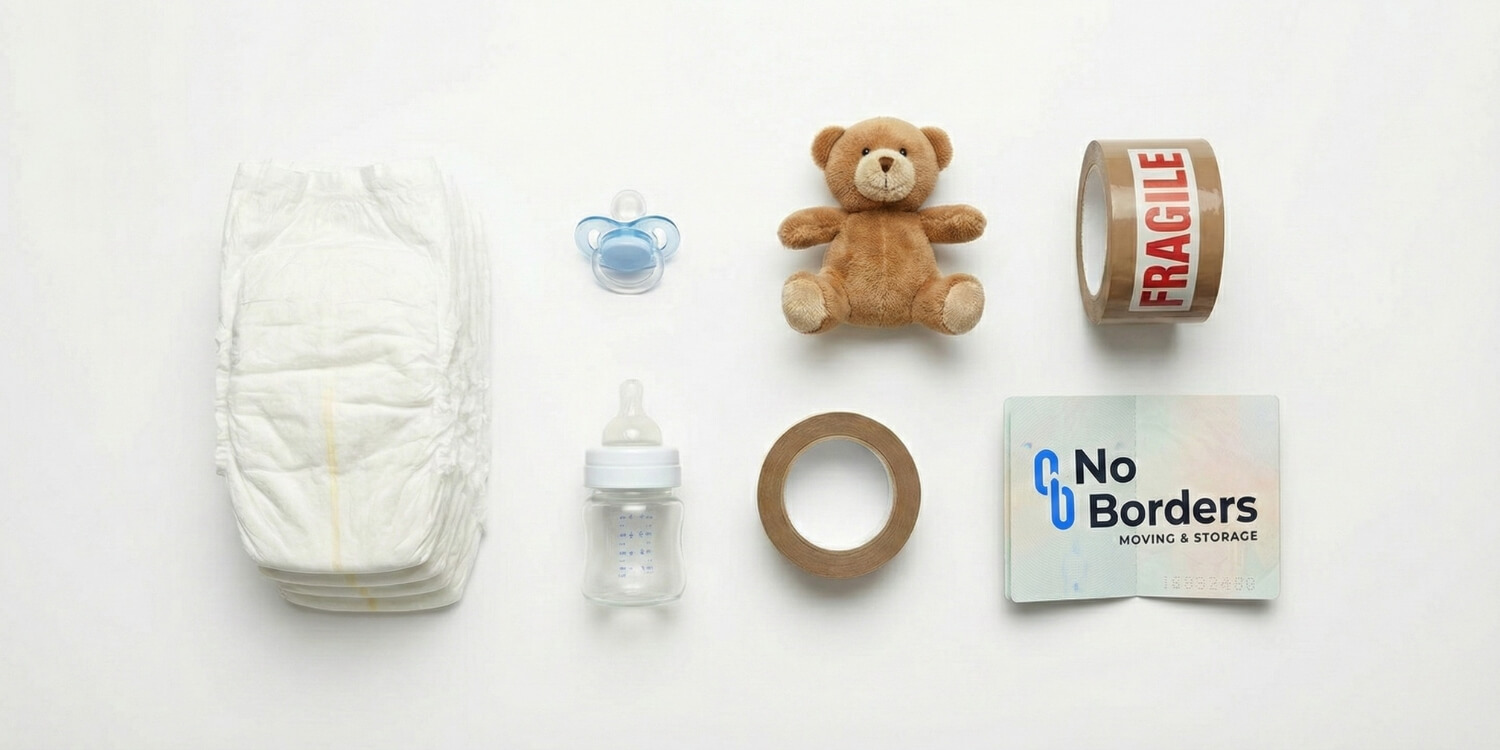
Moving with a baby can feel overwhelming, much like the early days of parenting itself. Having an infant means there’s more to think about when planning a move but there’s no need to panic. Many parents have been through it and with a few helpful tips, you can keep things manageable. Follow this simple advice to stay calm and feel more confident while moving with your little one.
First Things First – Consult Your Pediatrician
When planning a move with a baby, start by talking to your pediatrician (they’re probably already a familiar contact!). After you set your moving date, schedule a quick visit. This is a good chance to make sure your baby’s vaccinations are current and to get any medications you may need for the next few months.
Let Your Pediatrician Know You’re Moving
Tell your pediatrician about your upcoming move and ask if they can suggest a doctor in your new area. Even if they don’t have a direct recommendation, they can offer guidance on how to find the right pediatrician. You may also need to sign a form to transfer your baby’s medical records to the new doctor. This paperwork can usually be taken care of during your visit, along with any questions or concerns you may have. Common questions to think about include:
When is the Right Time to Move with a Baby?
Choosing the right time to move with a newborn can be difficult. If the move is planned soon after birth, remember that recovery and caring for a newborn already take a lot of energy. You may not be able to help much with the move. While Dad or other family members can take care of packing and moving, they may need extra support during this time.
If you’re able to wait about six months before moving, the process is often much easier. However, if time is limited and hiring professional movers is an option, it can help reduce stress for everyone involved. Moving within the first six weeks after your baby is born is generally not advised, so it’s best to talk with your pediatrician to choose the right time.
Should You Move Before or After Having a Baby?
Many parents say it’s easier to move before the baby arrives. Settling into a new home is simpler when you don’t have to plan around feedings, naps and diaper changes, which can’t always be delayed.
Moving while pregnant can still be tough, but it’s often less stressful for you, your family and especially the baby. If timing allows, talk with your doctor about whether moving before your baby is born might be the better option.
What is the Toughest Time with a Newborn?
Many parents find the first six to eight weeks with a newborn to be the most challenging. Between frequent feedings, lack of sleep, emotional changes and bonding with your baby, there’s a lot to handle. Planning a move during this period can add extra stress. If you can, take things slowly, focus on adjusting to parenthood and give yourself time to enjoy these early weeks with your baby.
Avoid Packing Too Early
“Too early” can mean different things to different people but most parents don’t want to live among moving boxes for weeks. Plan your packing carefully and keep packed boxes in a designated area. Make sure they’re out of reach so your baby can’t get into them before moving day arrives.
Plan Your Travel with Baby in Mind
Many hotels provide cribs, so if you’re moving long distance with a baby, call ahead to make sure one will be available in your room. If you’re flying, try to book a direct flight. Avoiding layovers can make the trip easier and less tiring for both you and your baby.
After booking your flight, review the airline and TSA guidelines for traveling with baby items such as strollers and diaper bags. Many airlines allow the use of a foldable stroller inside the airport which can be checked at the gate, helping make travel easier for you and your baby.
Moving with a Newborn – Keep Things Calm
Even if your baby follows a regular routine, moving day can be hectic. Hiring professional movers can help and it’s often best to have your baby out of the house before they arrive. Moving day is loud and busy, so it’s not an ideal time for naps while everything is being packed and loaded.
If hotel cribs don’t feel comfortable for you, bring a portable crib for your baby’s naps and safe playtime. There’s no need to head straight to the new home as soon as the movers arrive. You can run a few errands while your baby naps in the car or spend some time at a friend’s house to help keep the day calm and manageable for everyone.
Moving with a Toddler – Keep the Fun Going
When moving with a toddler, having extra help is still a smart choice but both parents can usually be more involved. You can even include your toddler in small, simple tasks to make them feel part of the move.

After arriving at your new home, baby-proof right away based on how active your toddler is. Set up a comfortable area where they can relax and try to keep things light and fun to help prevent toddler meltdowns.
Pack Two Essential Bags for Baby
Traveling with a baby can get messy, so it helps to pack two separate bags. For the car ride or flight, prepare your regular diaper bag with extra diapers, wipes, a change of clothes and a few plastic bags for dirty items.
The second bag should be for hotel stays. Include basic safety items like outlet covers and corner guards for tables or countertops. You may also want to bring a safety gate for move-in day to help keep your baby safe in your new home.
Stick to Your Routine
Keeping your regular routine during a move can be tough but it’s very important. Staying consistent with nap times and feedings helps your baby feel safe and settled during a busy period. Simple habits, like reading a book before bed, can also give both you and your little one a calming break from the stress of moving.
Is Moving Stressful for Babies?
Yes, moving can be stressful for babies as well. Even though they’re very young, they notice changes and can feel unsettled when taken away from familiar surroundings. Babies, like adults, can experience stress, anxiety or sadness during a move. They also pick up on your emotions, so staying as calm as possible can help your baby feel more secure.
Pack the Baby’s Room Last
When it’s time to pack your baby’s room, take a few photos first—you’ll be glad to have them later. Keep the crib as the last item packed onto the moving truck or into a storage container. As you disassemble it, place all the hardware in a clear plastic bag and tape it to the crib so nothing gets lost. At your new home, set up the crib first to give your baby a familiar and comforting space right away.
Arrange Help on Move-In Day
If you’re moving locally, ask a friend, family member or babysitter to watch your child on moving day. For long-distance moves, this may be more difficult, so you might want to look online for a babysitter in your new area. If you’ll need regular help, a nanny could also be an option. Having someone care for your baby while you unpack and set up your home can make the day much easier.
Most Importantly, Give Yourself Some Credit
Remember, you’re doing a great job. It’s easy to put all your focus on your baby but don’t forget to recognize your own effort too. With careful planning and constant adjustments, you’ve managed a move that works for your baby’s needs—and that’s something to be proud of.
That’s why No Borders Moving & Storage is here to support you at every step. Whether you’re expecting, moving with a baby, or relocating with older children, our team is ready to make your move smooth, simple and family-friendly.